Mold Inspection & Testing
Moisture mapping, thermal imaging and sampling where it changes the answer.
Gettysburg & Adams County, Pennsylvania
Mold is a moisture problem that grew. We find the water first, contain the area, remove what cannot be saved, and dry the structure out — so it does not come back in the same corner next spring.
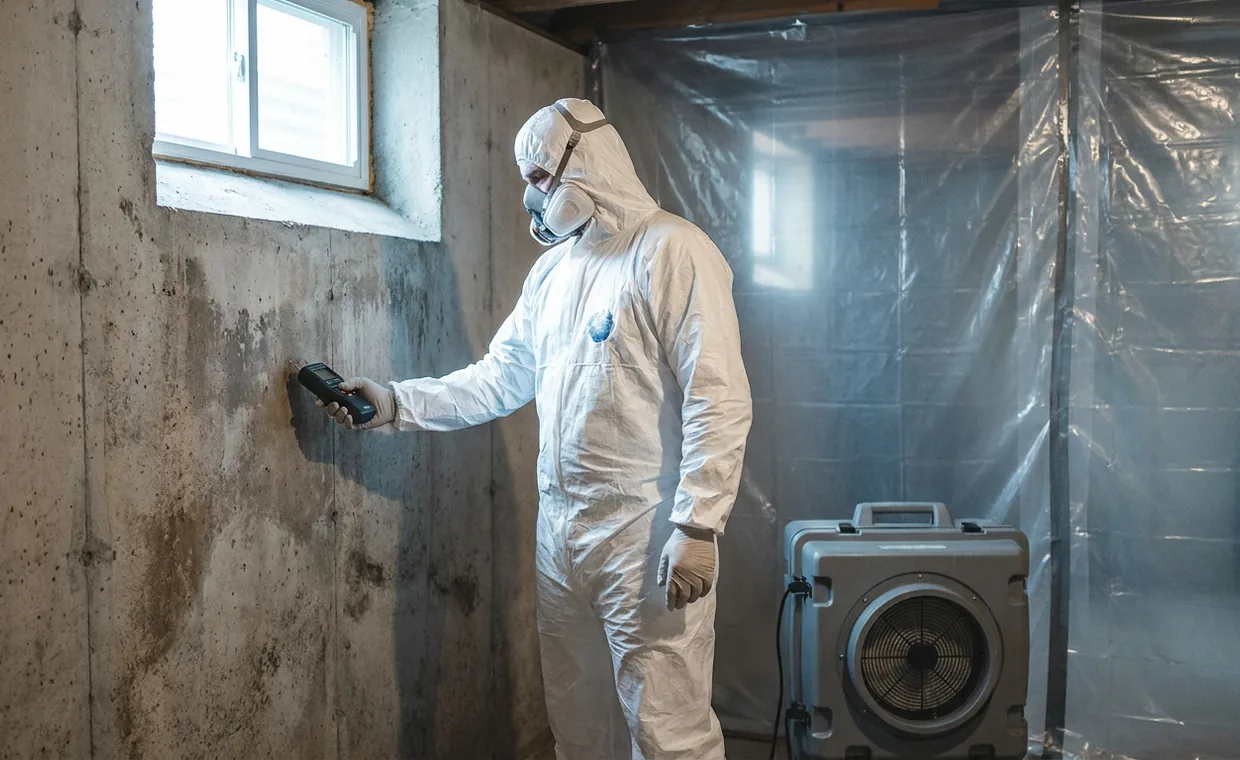
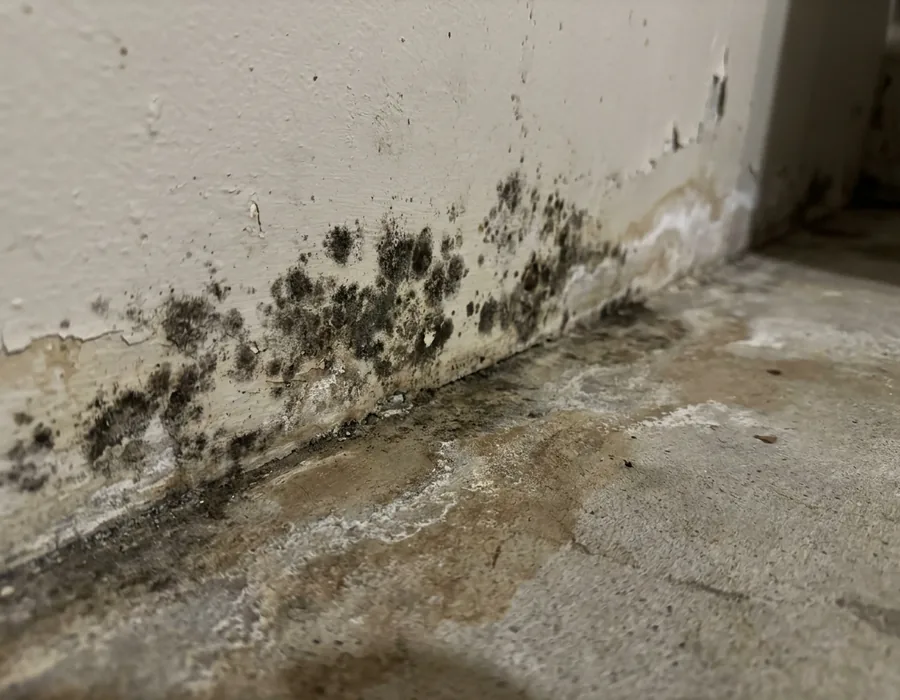
Almost every mold call in Adams County traces back to water that had somewhere to get in and nowhere to go. A stone foundation that wicks groundwater through the mortar. A downspout discharging two feet from the wall. A bathroom fan vented into the attic instead of through the roof. A crawlspace with bare soil and no vapor barrier. The growth is what you see; the water is what actually needs fixing.
That is why scrubbing a wall with bleach and repainting it almost never holds. The surface looks clean for a season, the moisture keeps arriving, and by the following spring the same corner is dark again. Worse, on porous material like drywall paper, framing lumber or insulation, the growth is not sitting on the surface at all — it is in the material, and surface cleaning leaves the colony intact.
We work the other direction. Find the water, stop the water, contain the area so spores are not driven through the rest of the house during the work, remove the materials that cannot be cleaned, treat and dry what stays, and then verify the area before we put it back together.
Moisture mapping, thermal imaging and sampling where it changes the answer.
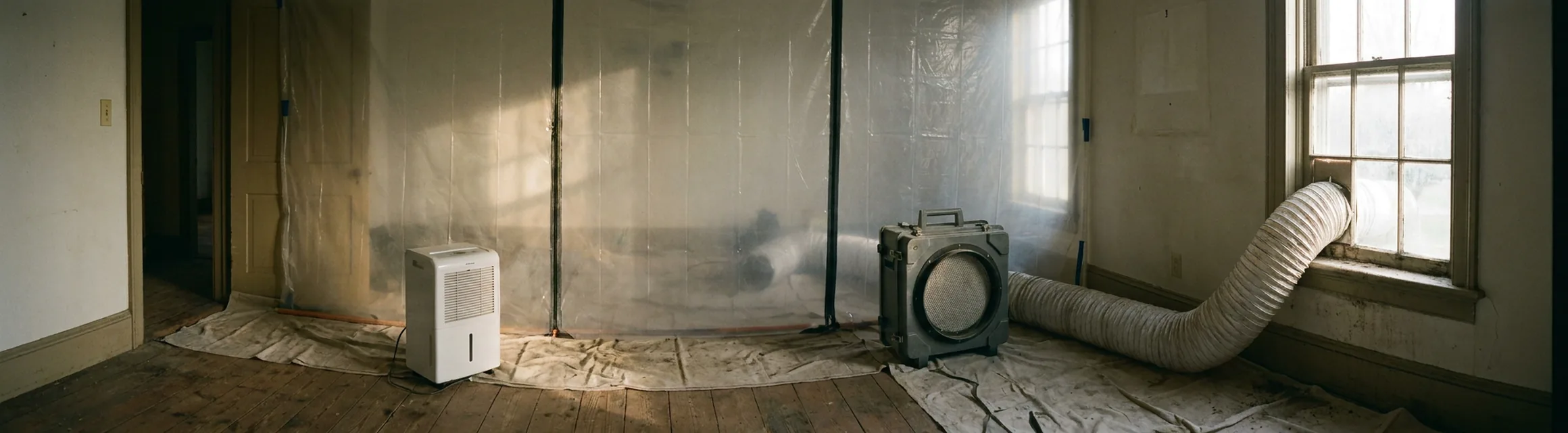
Containment, removal, drying — and the water problem corrected.
A large share of what ranks for mold work in Pennsylvania is not a contractor at all. It is a directory, a national lead broker, or a franchise call center that sells your phone number to whoever is buying leads in your ZIP that week. You describe your basement three times to three different people and the crew that eventually turns up has to earn back whatever the broker already took off the top.
We would rather you call the people who will actually be standing in the basement. That also means we will tell you when you do not need us. Plenty of calls are a fan that needs re-ducting, a grade that needs re-sloping, or thirty square feet a homeowner can handle themselves with a respirator and a weekend. We will say so.
An assessment that does not identify the moisture source is not an assessment. Before we quote removal we work out where the water is arriving from, because if that is not corrected the growth returns and you have paid twice.
Cutting into mold without containment turns a localised problem into a whole-house one. Poly barriers, negative air, HEPA filtration and controlled entry go up before anything gets opened.
You get the affected square footage, what is being removed, what is being treated, what drying equipment is going in and how long it stays. If the scope changes once a wall is open, you hear it before the work happens, not on the invoice.
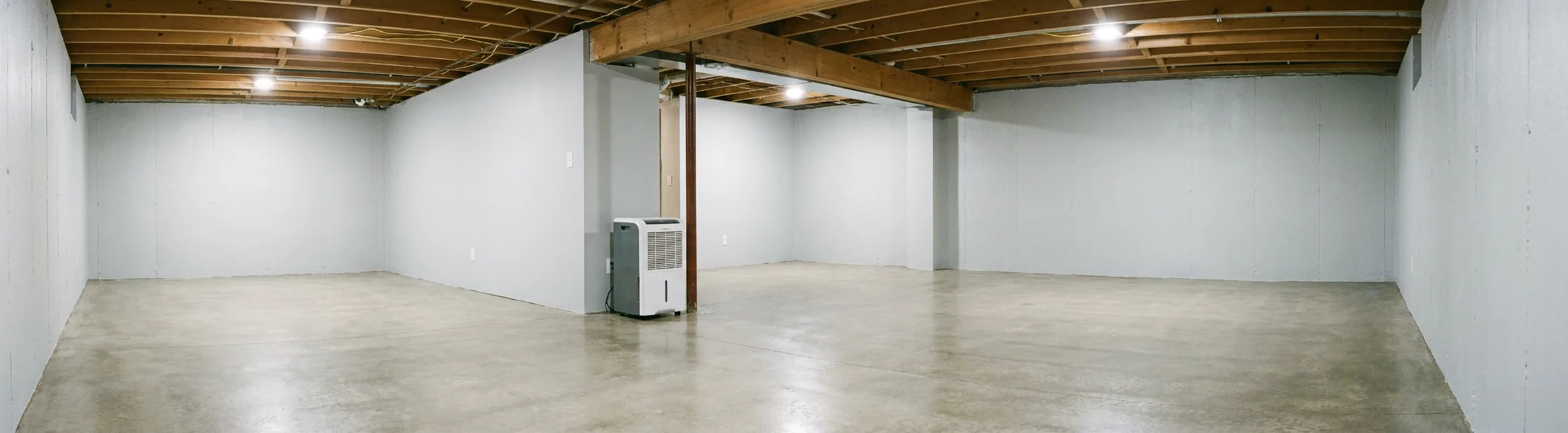
Post-remediation verification — visual, moisture readings, and third-party clearance sampling where the job warrants it. We would rather an independent lab confirm the area cleared than ask you to take our word for it.
Under roughly ten square feet on a non-porous surface with a moisture source you have already fixed is usually a homeowner job. We will tell you that on the phone rather than selling you a containment you do not need.
The state does not license mold remediation, which means anyone can print a business card. Ask us, or anyone else you call, about training, insurance, containment method and whether clearance testing is done by an independent party.
Describe what you are seeing and where — a photo and a straight answer about the water history usually tells us most of it.
We cover Gettysburg and the boroughs and townships around it — from the fruit belt north of town through the older borough housing east toward Hanover, and out to the South Mountain edge to the west. The building stock changes a lot across that span, and so does the moisture problem that comes with it.
Borough houses near the square tend to be older, tight to their neighbours, with stone or brick foundations and basements that were never meant to be finished. Newer development out in the townships brings a different set: poured walls, sealed crawlspaces, mechanical ventilation, and mold that shows up behind finished surfaces rather than on them.
It depends almost entirely on how much material has to come out and how hard the moisture source is to reach. A contained basement wall section with drying runs well under a job that involves lifting finished flooring, opening multiple walls or working in a crawlspace. What we can tell you is what drives the number: affected square footage, whether the affected material is porous, how accessible the area is, whether the water source needs correction as part of the work, and whether independent clearance testing is included. We give you that breakdown in writing after an on-site assessment rather than a phone figure we would have to revise.
Removal describes taking the growth out. Remediation is the whole process of returning the area to a normal condition — containing it, removing what cannot be salvaged, treating and drying what stays, correcting the moisture source, and verifying the result. The distinction matters because no one can remove all mold from a building; spores are present in normal indoor air everywhere. The realistic goal is removing the growth, fixing the water that fed it, and bringing the area back to a condition comparable to the rest of the house.
Pennsylvania's Real Estate Seller Disclosure Law requires sellers of most residential property to disclose known material defects, and known mold or water-infiltration problems generally fall into that category. That is a disclosure obligation, not a prohibition on selling. In practice, mold found during a buyer's inspection tends to become a negotiation over remediation and documentation. This is a general description, not legal advice — for how the statute applies to a specific sale, ask a Pennsylvania real estate attorney or your agent.
Yes. "Black mold" usually refers to Stachybotrys chartarum, and it is remediated the same way as other growth: contain the area, remove the porous material it has colonised, treat and dry the rest, and correct the water that let it establish. Stachybotrys needs sustained wetting rather than ordinary humidity, so finding that water source is especially important. Colour is not a reliable guide to species or risk, which is why sampling exists.
Deal with the water first — that is the part that gets worse and more expensive with time, and it is often the cheaper half. Redirecting downspouts, re-sloping grade away from the foundation, running a dehumidifier to hold the basement under about 50 percent relative humidity, and venting bathroom fans to the exterior rather than the attic are all things that slow or stop growth. Then address the affected material in stages, worst area first. If the cause was a sudden event such as a burst pipe or appliance failure, check your homeowner's policy — sudden and accidental water damage is often covered where long-term seepage is not.
If you can see it and you know where the water came from, testing often adds cost without changing the plan — the visible growth is getting removed either way. Testing earns its keep when you smell mold but cannot find it, when someone in the house has symptoms and you need to know what is airborne, when a real estate transaction needs documentation, or when you want independent confirmation that an area cleared after remediation. We will tell you which situation you are in.